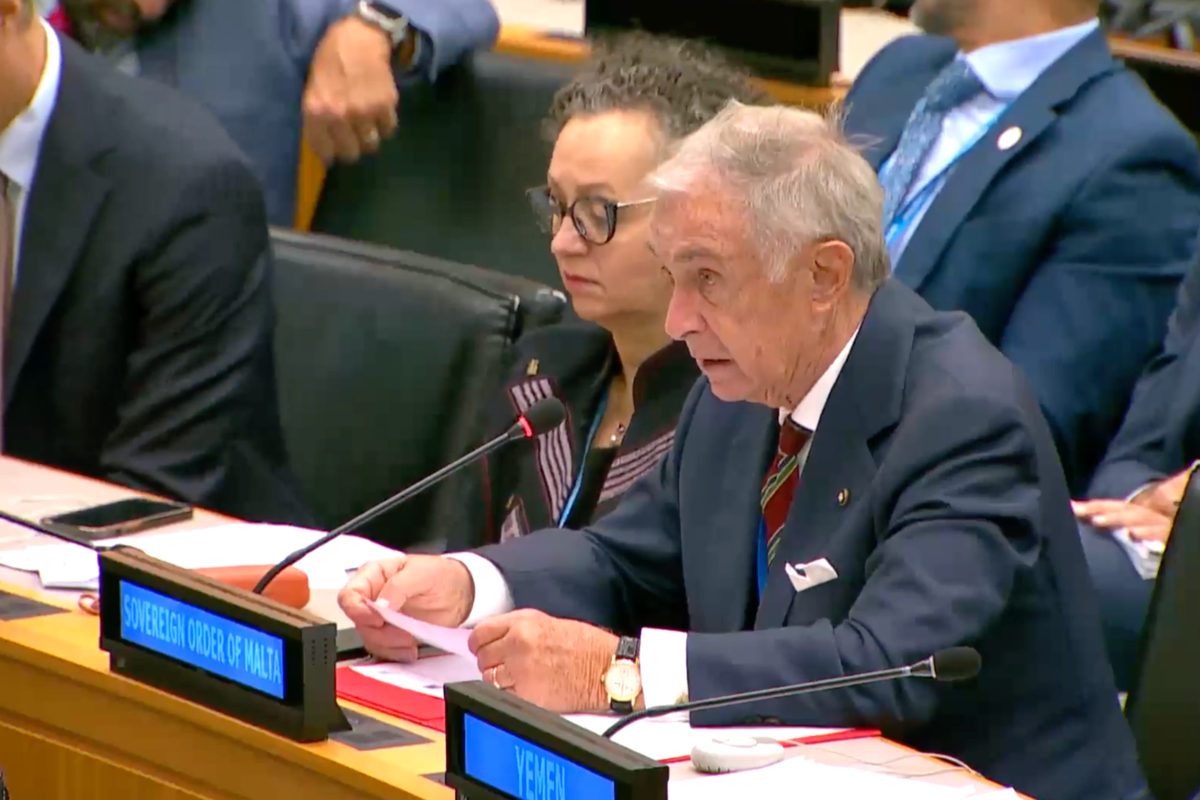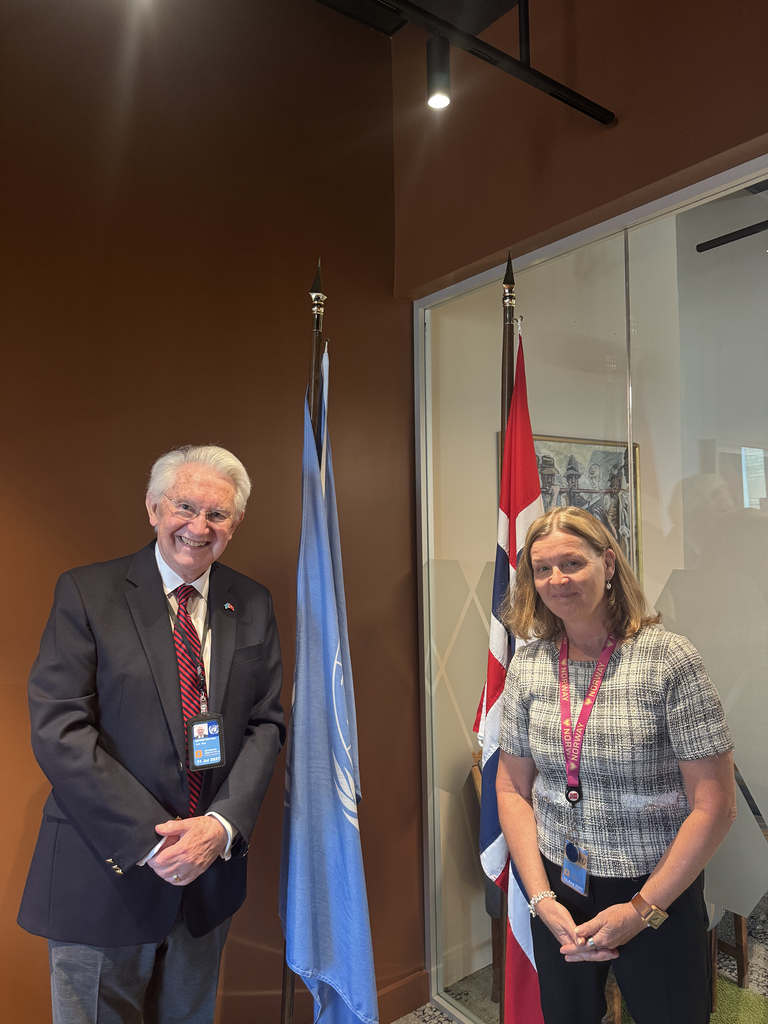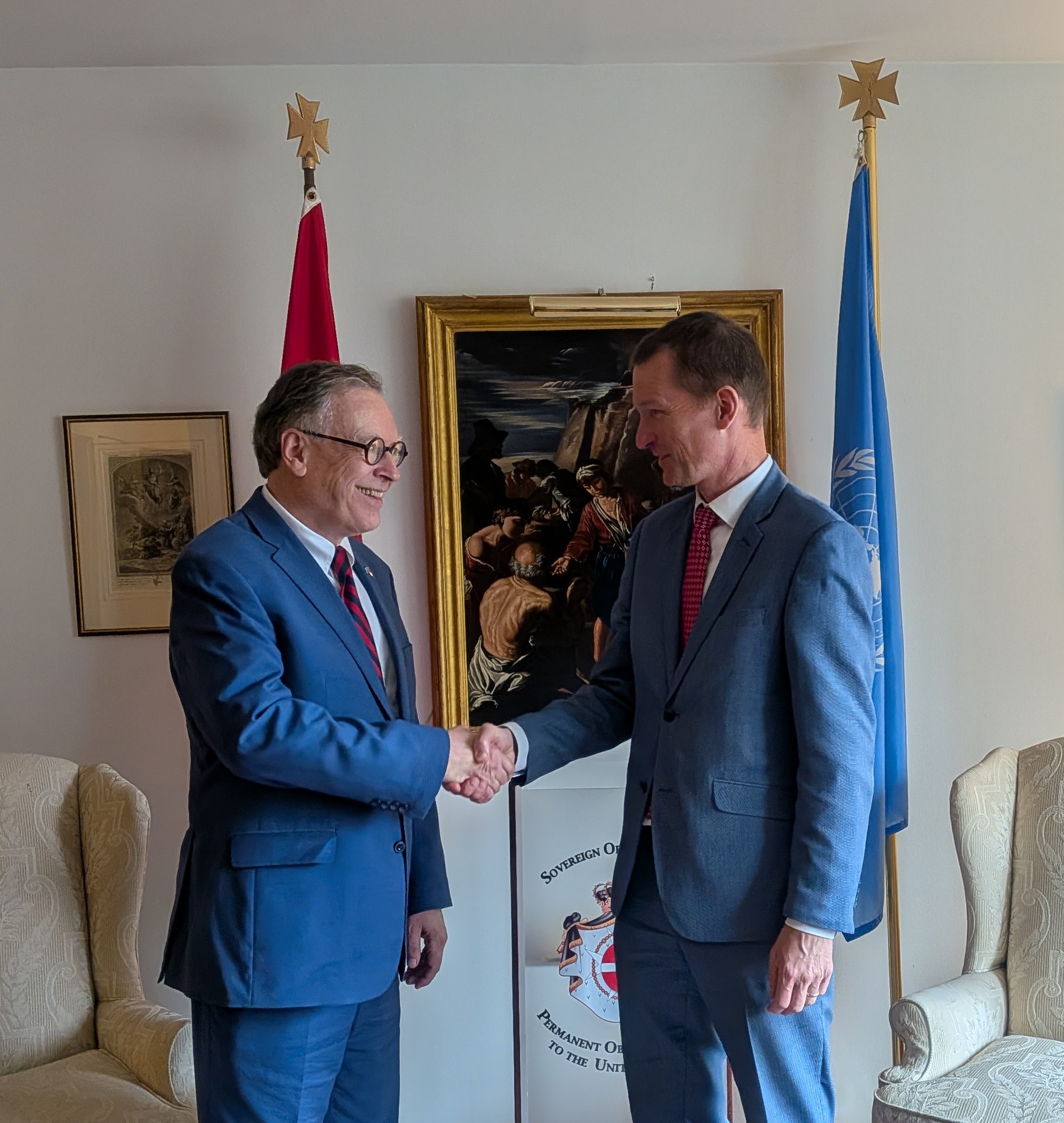
On October 22nd, the Hon. Brien Horan, Senior Counsellor, addressed the Third Committee on Extreme Poverty and Human Rights.
The Special Rapporteur on extreme poverty and human rights to the UN argued that the rolling back of social protections is directly fueling the rise of far-right populism across the world. He asserted that austerity-driven “welfare reform” has twisted social assistance into a punitive “workfare” system, where benefits are conditional and claimants are subjected to digital surveillance and discriminatory algorithms, leading to distrust and a sense of institutional maltreatment among the most vulnerable. This shift alienates millions of people in poverty, who feel humiliated and abandoned by mainstream political parties.
He contended that this punitive approach creates a void that far-right populists exploit by posturing as champions of those left behind by the ‘elite,’ even though their policies, once in power, tend to maintain the privileges of the economic elite and further dismantle social support. The Special Rapporteur urged governments to reject the idea that welfare is a costly burden and instead champion universal, rights-based social protection as a human right and a proven investment in the security and social cohesion necessary to counter the rise of authoritarian populism.
The Hon. Brien Horan, Senior Counsellor, addressed the committee on October 22, 2025, stating that extreme poverty is a profound violation of human rights and dignity, emphasizing that it is more than an economic condition, impacting the body, mind, and soul, and creating a pervasive cycle of despair that prevents access to essential services for billions. He highlighted the digital divide as a stark contrast in the modern era, where some pursue the latest software while the poor are left fighting for basic subsistence, effectively silencing and forgetting them.
The Hon. Brien Horan, detailed the Sovereign Order of Malta’s 900-year mission to serve the sick and the poor without distinction through direct humanitarian aid and advocacy for policies addressing systemic causes. He cited their work in Haiti via Malteser International, where projects focus on Nutrition and food security, the Economic empowerment of women, and Climate adaptation through mangrove restoration, all of which are essential for restoring hope and dignity. He concluded by shifting the focus from mere generosity to justice, asking for a dialogue on the most ethical and effective strategies, particularly the deployment of Artificial Intelligence, to enhance service delivery for the most marginalized communities.