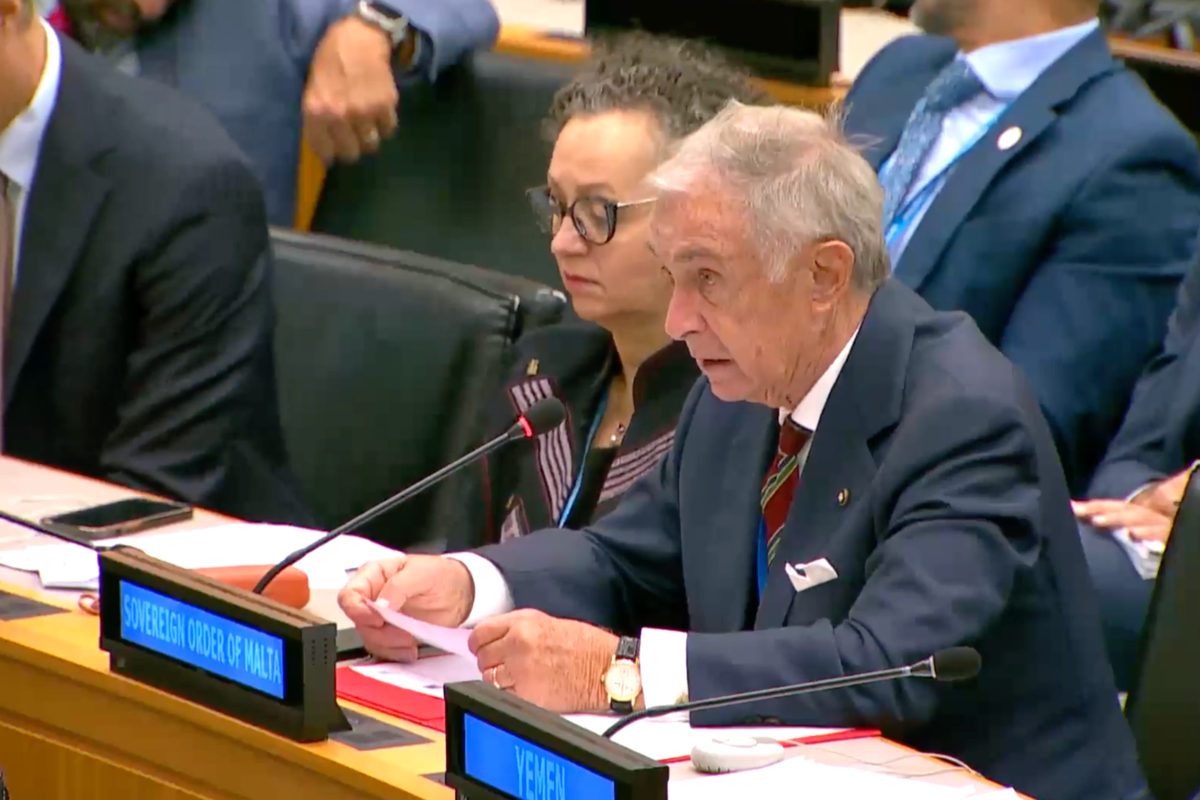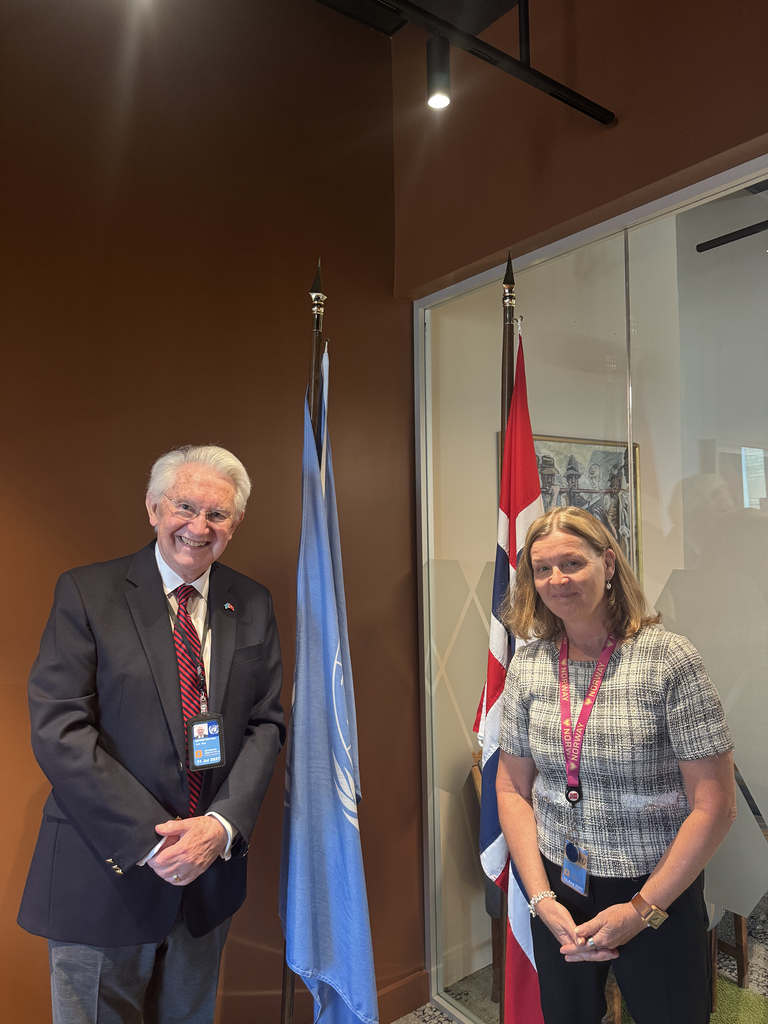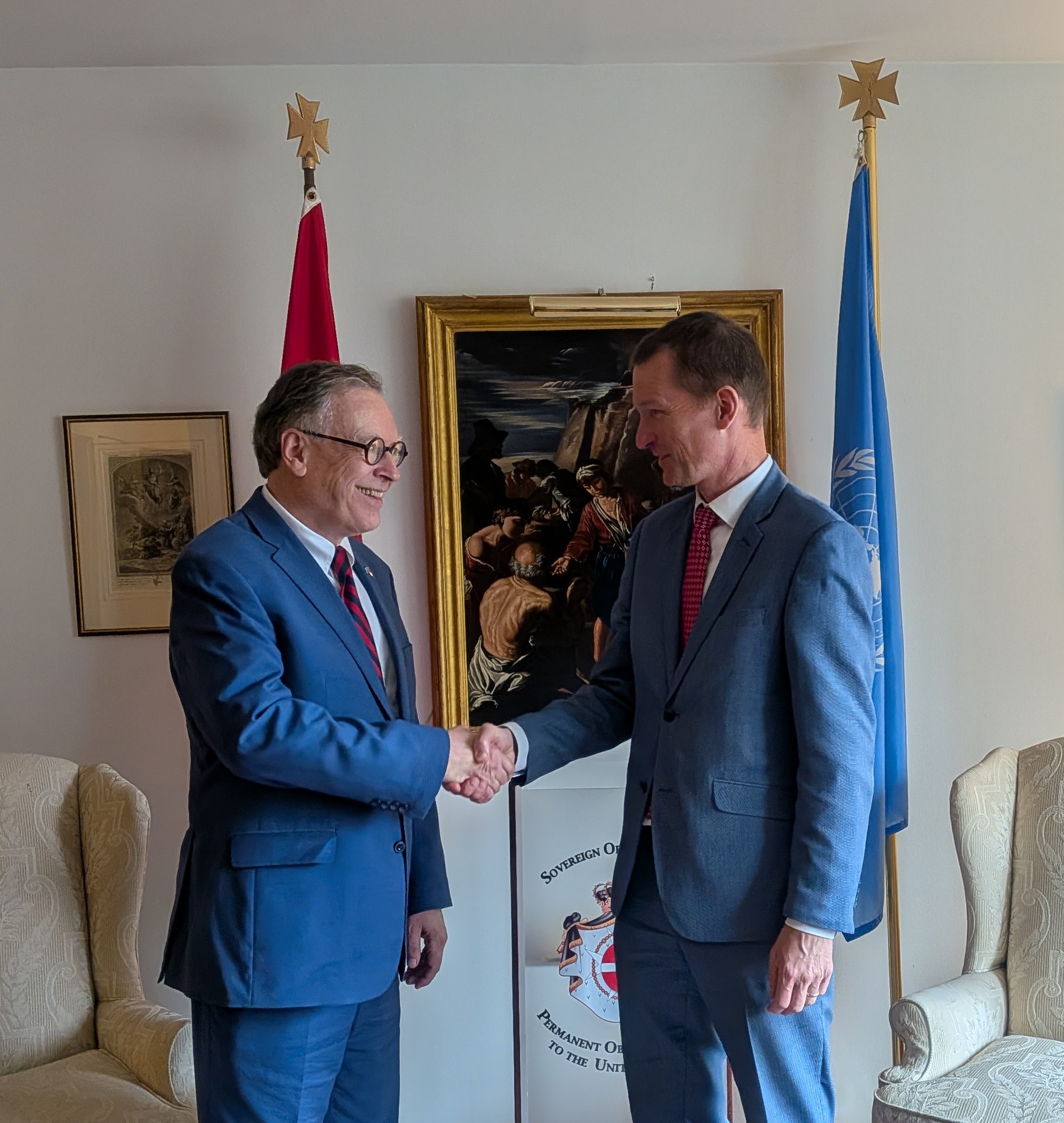
On October 22nd, Counsellor Dr. Michael Espiritu addressed the Third Committee on the Human Rights of Internally Displaced Persons.
Ms. Gaviria Betancur’s, Special Rapporteur on the Human Rights of Internally Displaced Persons, report focused on the integration and reintegration of IDPs in urban settings, highlighting that more than 60 per cent of the world’s 83.4 million internally displaced persons now live in towns and cities. She stressed that displacement does not end with physical safety, but only when people regain dignity, belonging, and rights.
The Special Rapporteur emphasized that urban displacement has become the defining feature of modern crises, yet millions remain invisible in national policies and budgets. She called for a shift from short-term humanitarian aid to rights-based, long-term solutions that ensure access to housing, education, healthcare, legal identity, and livelihoods.
Ms. Gaviria Betancur underscored the psychosocial and intergenerational dimensions of displacement, noting the trauma, loss of community, and breakdown of social ties that accompany forced movement. She called for greater support to local authorities, inclusion of displacement indicators in national data systems, and participation of IDPs in policy design.
In closing, she urged Member States to translate commitment into action through national laws, inclusive governance, and sustainable financing. Displacement, she said, “must not end in limbo, but in belonging.”
Counsellor, Dr. Michael Espiritu, reaffirmed the Order’s commitment to the protection and dignity of internally displaced persons, describing displacement as one of the most pressing humanitarian challenges of our time.
He noted that every minute, 31 people are forced to flee their homes due to conflict, disasters, epidemics, and the growing impacts of climate change. From Sudan to Ukraine, from Syria to Myanmar, millions live in protracted insecurity. In Gaza, nearly 1.9 million people, over 85 per cent of the population, have been displaced, many multiple times.
Through its humanitarian relief agency, Malteser International, the Sovereign Order of Malta provides targeted support to displaced communities. In Wau, where nearly 100,000 people have sought refuge, the Order offers water, sanitation, hygiene, nutrition, and school meal programs. In Atende, more than 2,000 internally displaced persons receive clean water, psychosocial care, vocational training, and livelihood assistance. In Raja County, displaced families are supported with seeds, tools, and agricultural training to rebuild self-reliance.
Dr. Espiritu stressed that displacement must be addressed through multifaceted, long-term strategies, blending humanitarian relief with sustainable development. He concluded with a question to the international community: “How can longevity strategies be integrated with protection frameworks for internally displaced persons, ensuring access not just to life-extending services, but also to the fundamental rights of housing, safety, and social inclusion?”
The discussion underscored the shared responsibility of States and humanitarian actors to move beyond temporary solutions and to restore dignity and rights to all displaced persons. The Sovereign Order of Malta remains steadfast in its mission to accompany those uprooted by crisis, working toward durable solutions grounded in compassion, resilience, and human dignity.