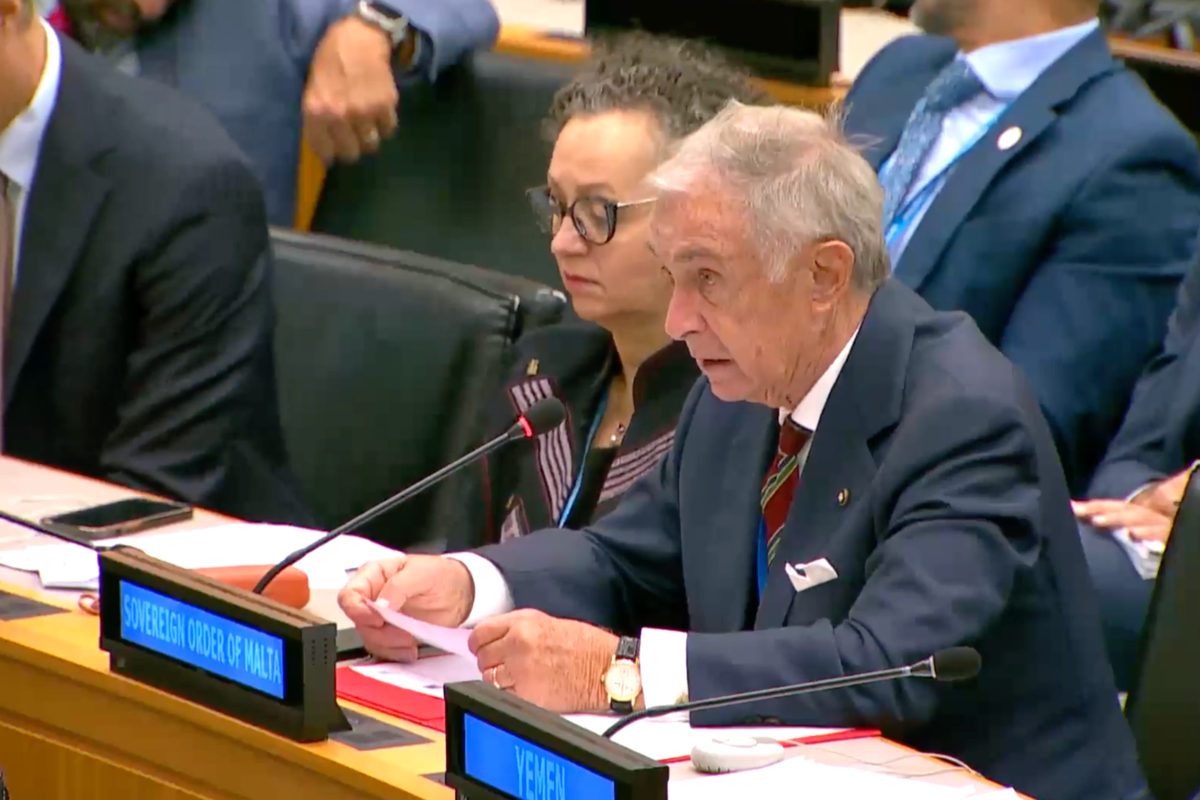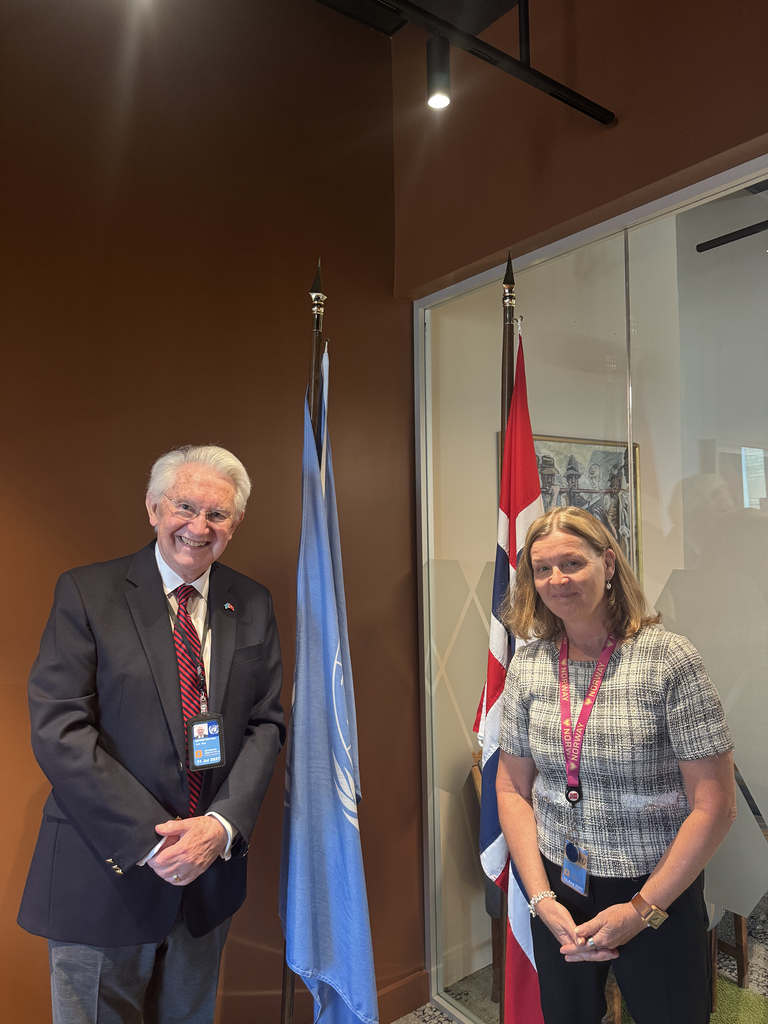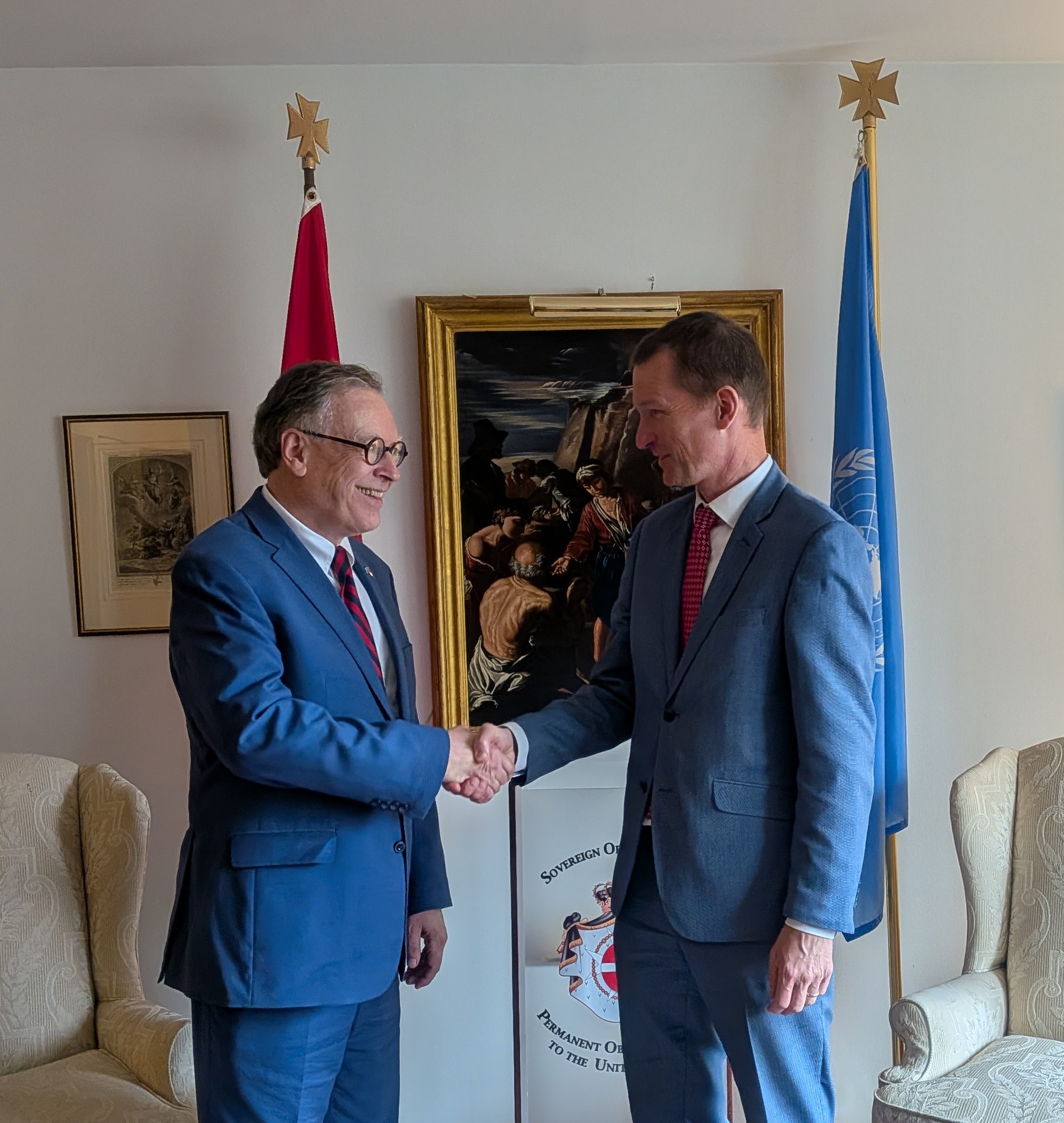
On October 27th, Ms. Somin Park, Diplomatic Trainee, delivered a statement at the United Nations General Assembly Third Committee on Ukraine.
The session featured Special Rapporteur Mr. Pablo de Greiff, speaking on behalf of the Independent International Commission of Inquiry on Ukraine, who presented the findings of the Commission’s fourth mandate. He reported that over three and a half years of armed conflict have taken a devastating toll on civilians, with 69 percent of casualties occurring in frontline areas and 29 percent caused by short-range drone attacks. He noted that Russian armed forces have carried out systematic drone strikes on civilian targets across Dnipropetrovsk, Kherson, and Mykolaiv oblasts, resulting in widespread destruction and terror. The Commission concluded that these attacks constitute crimes against humanity and war crimes, including murder, forcible transfer of population, and deliberate targeting of civilian infrastructure.
He further highlighted the deportation and transfer of civilians from occupied areas of Zaporizhzhia province, emphasizing that victims suffered severe psychological trauma and loss of livelihood. The report underscored that judicial and non-judicial forms of accountability are both essential to end impunity, calling for rehabilitation and psychosocial support to help victims recover and reintegrate into society.
Ms. Somin Park, in her intervention, reaffirmed that peace—however hard-won—remains fragile, and that the conflict in Ukraine compels the international community to uphold the primacy of international law and shared humanity. She noted that through its humanitarian aid agency, Malteser International, the Order provides rehabilitation for amputees, support for persons with disabilities, and psychosocial care for children affected by war. In 2024 alone, more than 55,000 people benefited from health projects, including 41,000 who received psychological support. Yet she stressed that three out of four Ukrainian children now show symptoms of post-traumatic stress, representing an entire generation scarred by war.
She concluded that even if hostilities were to cease immediately, the psychological scars would not heal in a matter of years, underscoring that a ceasefire must begin now—not as defeat or victory, but as a humanitarian imperative for the sake of children above all. She called for pairing accountability with practical support: scaling mental-health and psychosocial services, strengthening rehabilitation for persons with disabilities and amputees, and restoring essential services so that families can rebuild their lives with safety and dignity.