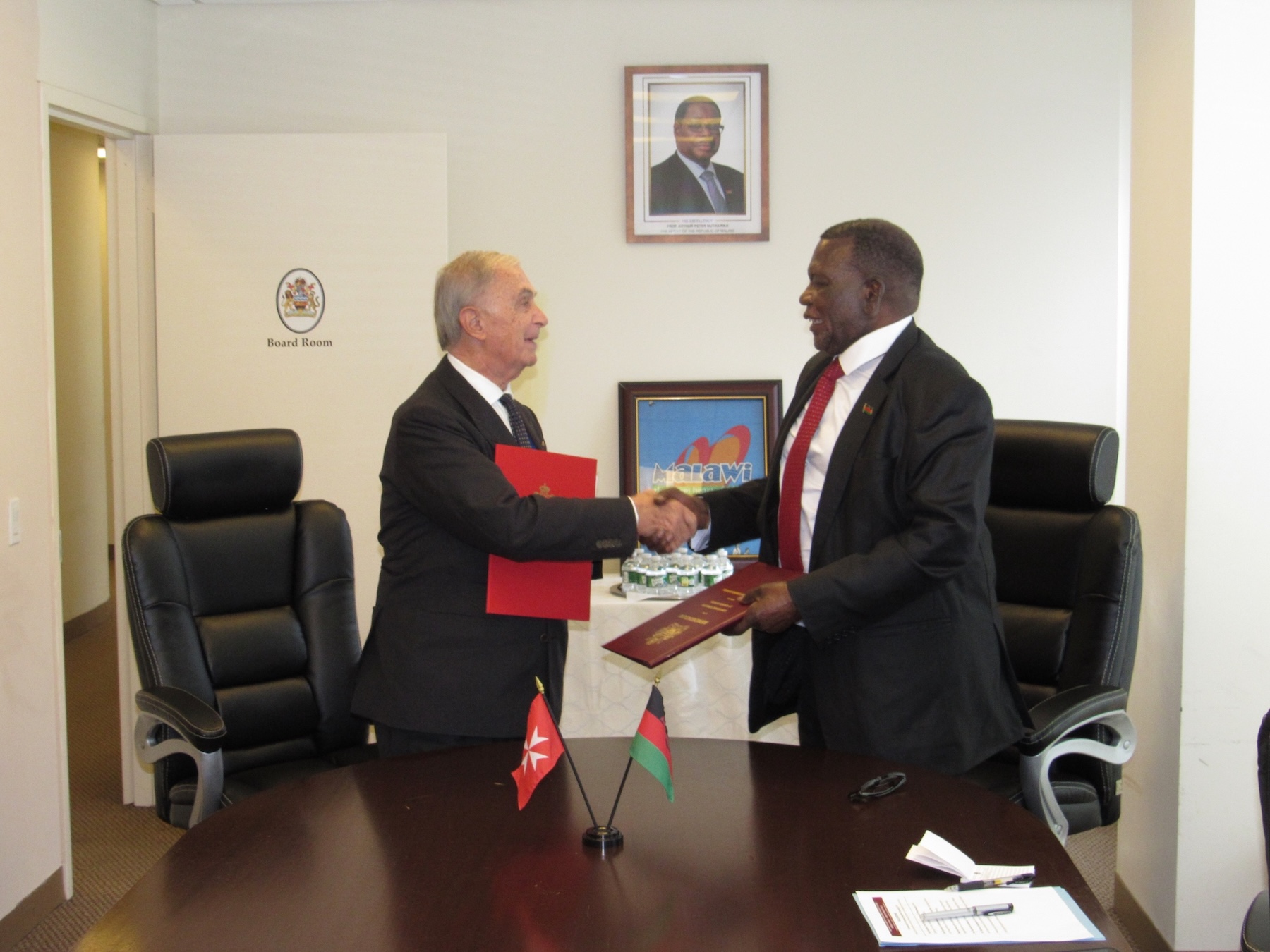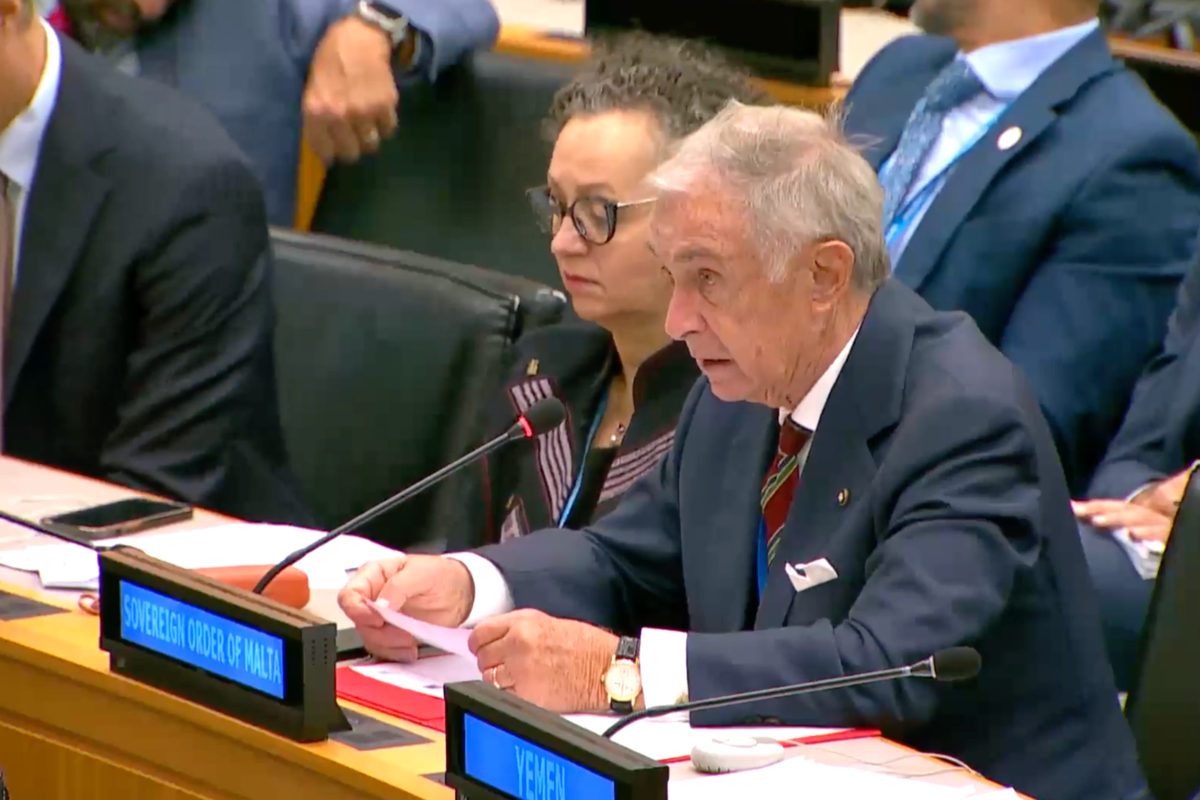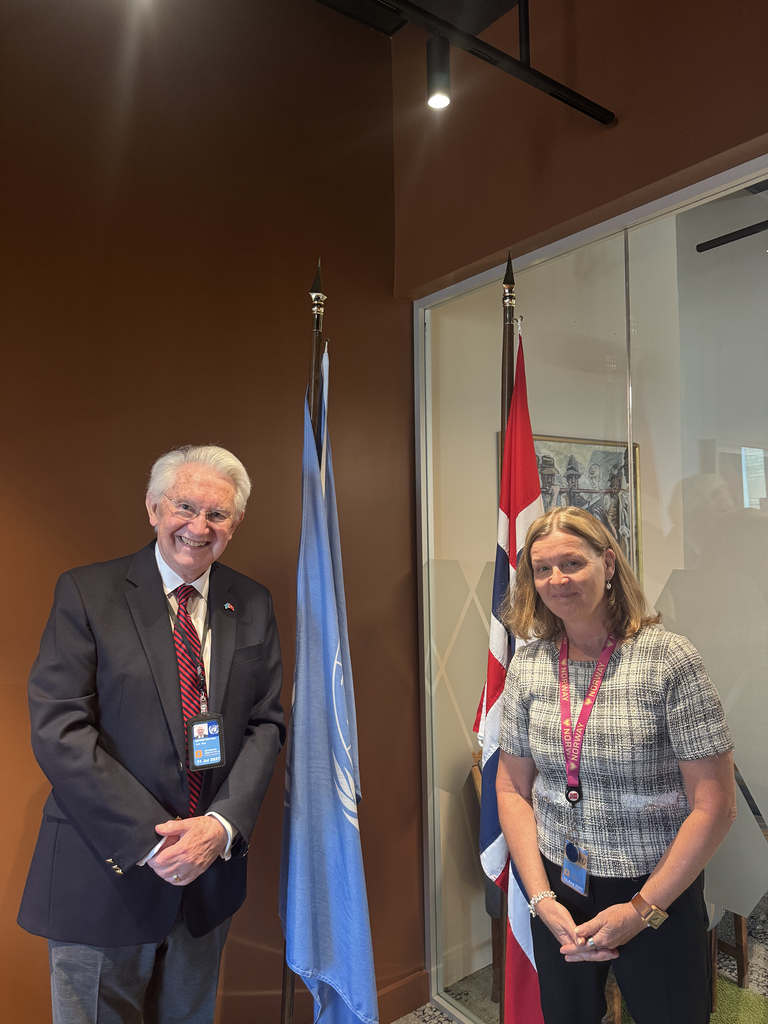
On March 23, 2026, the General Assembly convened a session to mark the International Day for the Elimination of Racial Discrimination. Ambassador Beresford-Hill spoke at part of the proceedings.
H.E. Ms. Annalena Baerbock, President of the General Assembly began by honouring those who died in the Sharpeville massacre whilst protesting apartheid 66 years ago. She noted that racism is still prevalent in our societies today, from racial profiling to the forced integration of Indigenous peoples, to dehumanising rhetoric around migrants and refugees, to algorithms that promote hatred of the other. It can manifest in overt, loud ways or in quiet ways masked by bureaucracy. Its impact extends from children in school not feeling able to participate, to adults struggling to access housing, employment, and justice. Increasingly our laws recognise the intersectionality of this issue, also known as double discrimination. She emphasised that discrimination of any kind is not only about defending one particular group but about defending our common humanity. Racism, antisemitism, and xenophobia concerns all of us. She highlighted that the struggle against discrimination is never finished. It is not a destination, but rather a constant process. She called on the international community to continue asking ourselves difficult questions, such as where we are falling short and what more we need to do to root societies in justice for all.
H.E. Mr. António Guterres, UN Secretary-General also recalled the Sharpeville massacre and renewed the UN’s commitment to work for justice and equality. He described racial discrimination as a violation of human rights and dignity. He noted that racism is a learned behaviour that is pervasive, and has no place in our world, but rears its ugly head in workplaces and schools and persists in colonisation and enslavement. Many of the solutions to confront it are being whittled away as countries scale back their anti-racism work and funding. He raised concerns about the ways racism powers white-supremacists and other extremist groups by stigmatising Africans and Asians, as well as linguistic and national minorities such as indigenous people. He is deeply disturbed by racism in important international platforms. He stressed the importance of looking at history on this issue – we know where this road leads: to injustice, violence and worse. He called for solidarity across all areas of society to safeguard the rights and justice of all people. We need to tackle racism in every form, including within the UN. He expressed gratitude to the UN’s anti-racism office who are working on this issue throughout the organisation. He also praised those in the private sector who adopt UN principles on racism and human rights.
Mr. Volker Türk, United Nations High Commissioner for Human Rights honoured those who fought and continue to fight for social justice and the end of all racial discrimination. He commended the efforts have led to progress, including the Durban Declaration and Programme of Action, as well as a cascade of changes at the national level such as acknowledging historical injustices and taking steps for redress. He reiterated the challenges of intersectional discrimination where injustices are compounded by gender, sexual orientation, age and income.
He noted that we are approaching a checkpoint – whilst we may no longer segregate people on buses, we still do in our mind and ways of life. He noted with concern the rise in dehumanising and racist ideologies across the world with race remaining the most common ground for discrimination globally. Not even a quarter of countries have anti-discrimination laws. Hate is spreading, even in countries that are supposedly free and liberal, particularly towards migrants and refugees. He highlighted that the vast majority of those targeted by online hate are from ethnic and racial minorities. These patterns cause real pain (e.g. a Roma child placed in a segregated class, black person shot by police based on the colour of their skin). People continue to face stigma and denial of their rights e.g. in some places, children from ethnic minorities are forbidden from learning in their mother tongue.
He also highlighted the climate dimension of racism: countries shaped by colonialism are often facing the brunt of climate change, exposed to climate shocks they did little to cause and vulnerable to extreme weather events. However, people’s quest for justice and dignity is unshakable – and will always prevail over delusional discriminatory practices and beliefs. Countless acts of resistance have changed the face of our world – we owe them nothing less than to continue this fight e.g. through laws that are enforced, to foster empathy and compassion, to strengthen accountability for all forms of discrimination and hatred; to work with civil society to find lasting solution; to regulate business activities and dismantle discriminatory practices; and to confront the discrimination that seeps into AI. He called for the international community to go beyond rhetoric and reform systems that have much of the world in a choke hold. States need to be able to access the resources to fund the rights for their people. He highlighted the importance of confronting racism every time as it is morally and intellectually bankrupt. He highlighted that being anti-racist does not mean standing for one group and against another but standing up for justice for all.
Mr. Justin Hansford, Member of the Permanent Forum on People of African Descent, Executive Director of the Thurgood Marshall Civil Rights Centre spoke of the personal role he has taken in campaigning for racial justice in the USA. He also honoured those killed in the Sharpeville massacre, noting that their courage demonstrated that the world will always be watching until racial justice is not a promise deferred, but justice achieved. He commended the UN for continuing to rise to the challenge of tackling racial injustice, e.g. through the day for the Elimination of Racial Discrimination. He reiterated the current geopolitical challenges, with widening fractures along the lines of racial injustice. He noted that the governed will not consent to systems that they know are fundamentally unfair e.g., when nations that promised liberty and freedom practiced enslavement, these nations planted a seed of discontent and hypocrisy that ultimately led to change. He commended Volker Türk for encouraging reparations and felt it was this type of moral leadership within the UN that gives the world hope. He called for a full account of what was taken by those who have been enslaved and what can be done to make it right, such as a UN tribunal on reparatory justice for the African Diaspora. Hansford argued that reparations is what justice will look like in the 21st century for this group.
He praised the work of the UN’s Permanent Forum on People of African Descent, for its work on consulting over 500 people at the grassroots level; advocating for a second decade for people of African Descent until 2034; and putting this issue on the climate agenda at COP16. He acknowledged the work that the Permanent Forum has done and continues to do, impressing the importance of ensuring that people of African Descent do not have to wait another century to see justice. He has hope that after the racist and populist era we find ourselves in ends, we will enter a period that prioritises our common humanity.
H.E. Ambassador Dr. Paul Beresford-Hill, Permanent Observer of the Sovereign Order of Malta, highlighted how the Order has embedded in their values the care for the poor, sick and vulnerable without discrimination on race, religion or social background. He noted the troubling rise in intolerance across the world, leading to increased polarisation. He called for the confrontation of institutional and structural inequalities and upholding of human dignity and emphasised the importance of remembering we are better together.