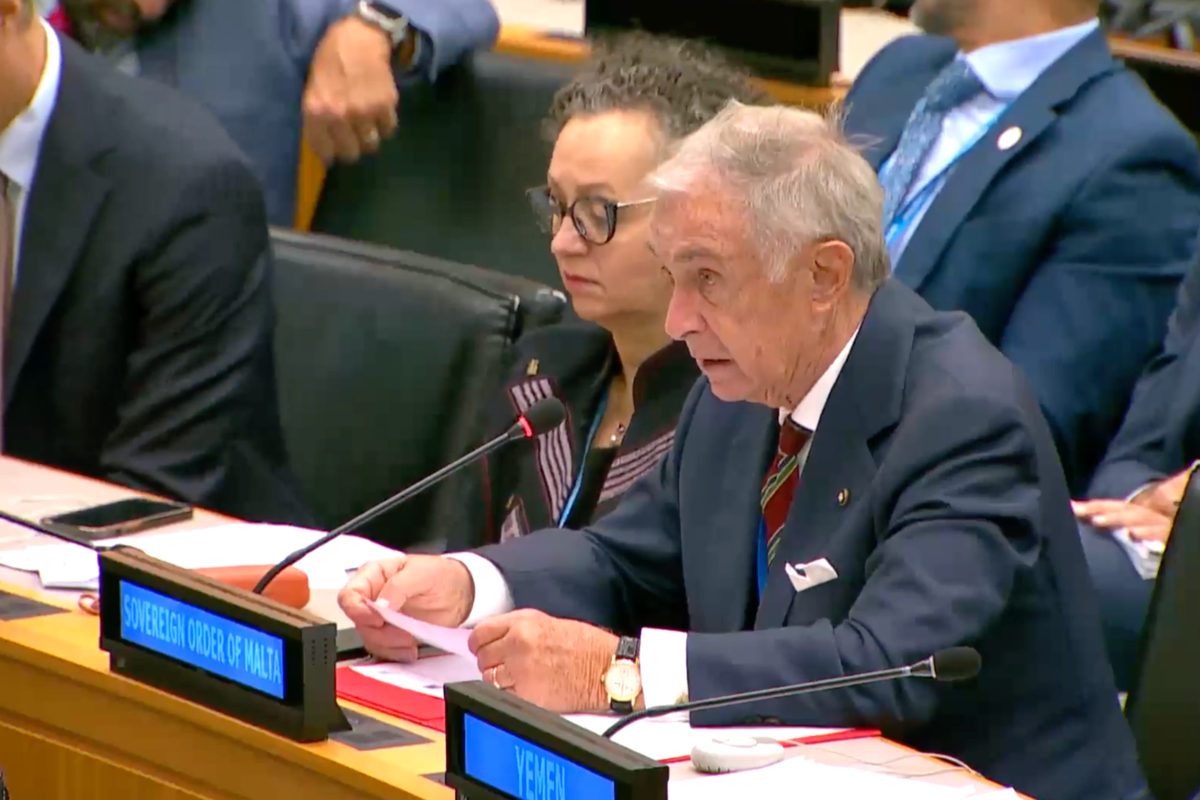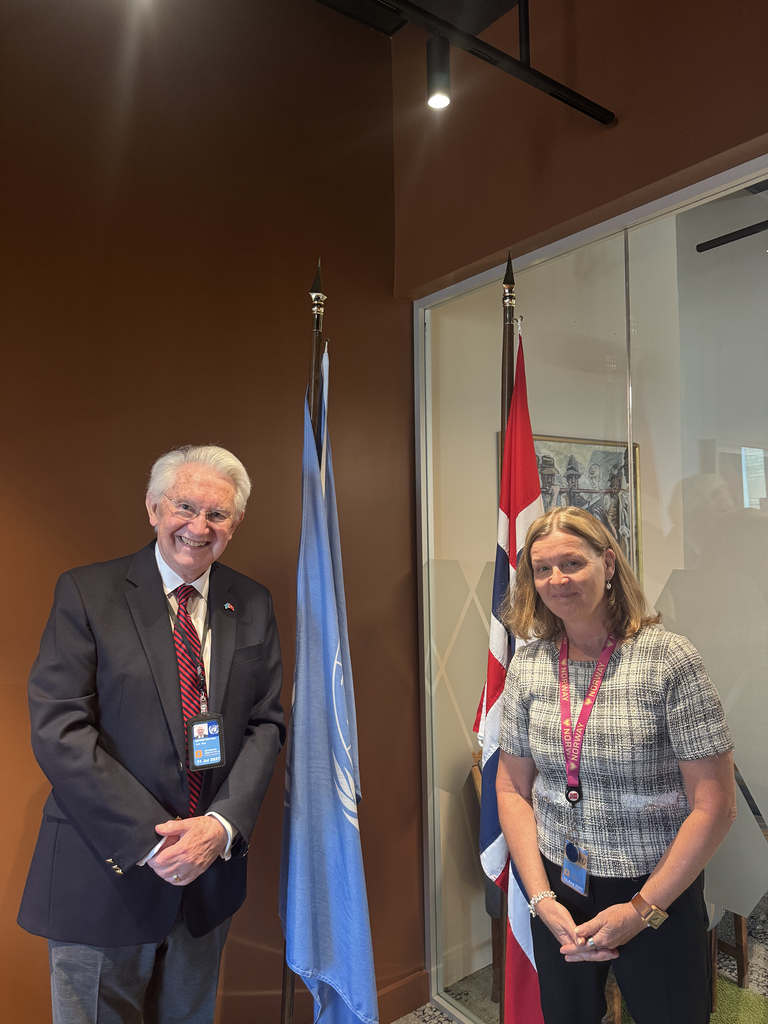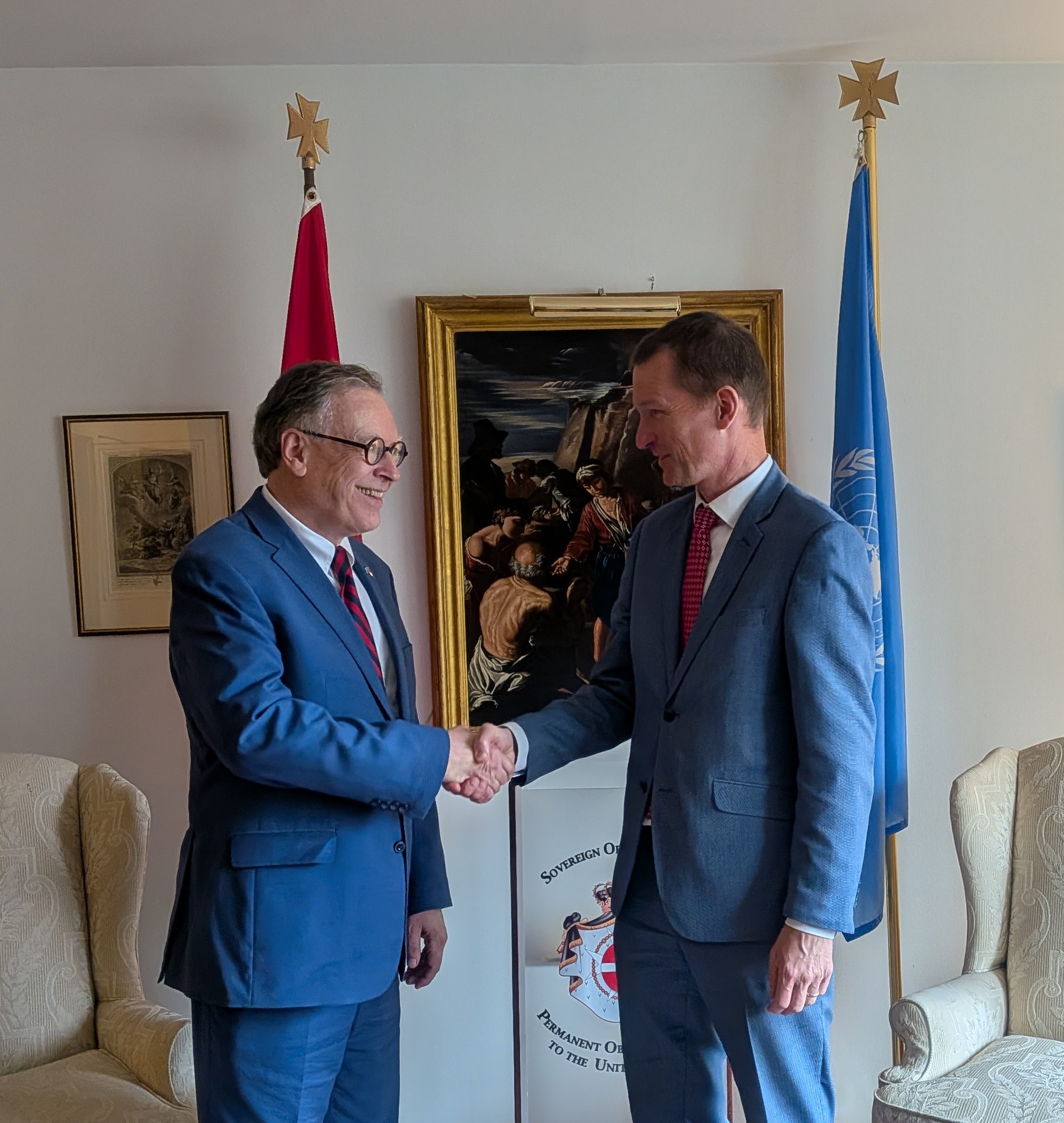
On October 24th, Solène Vielfaure, Diplomatic Trainee, addressed the Third Committee on the Right to Education, led by Ms.Farida Shaheed.
The Special Rapporteur on the right to education, Farida Shaheed, presented her report, “Right to education in armed conflict: a human rights imperative” (A/80/479), to the General Assembly. This report emphasized that education during armed conflict offers a lifeline, stability, protection, and hope, and that the fundamental right to education and its protections remain in force even in war. Ms. Shaheed warned that the collapse of education systems undermines entire societies, perpetuating cycles of violence and poverty. The report stressed the urgent need for a global commitment to end impunity for the destruction and military use of schools, calling on States to treat attacks on education as serious violations of international law. The Special Rapporteur outlined eight key policy actions to protect education in these crises, including prosecuting perpetrators, strengthening accountability, prohibiting attacks and military use of schools, and endorsing the Safe Schools Declaration. The call comes amid an alarming rise in attacks, with nearly 130 armed conflicts recorded in 2024, affecting an estimated 234 million school-aged children.
Solène Vielfaure, speaking on behalf of the Sovereign Order of Malta, affirmed that education is a fundamental human right, which is ultimately the formation of the soul—the critical difference between “abandonment to despair and openness to possibilities.” She highlighted the potential of Artificial Intelligence (AI) to deliver personalized, high-quality learning on a large scale, overcoming traditional barriers to education, particularly in low-income countries.
She called the purpose of education must be to foster the development of the human person, cultivate critical thinking, and promote dignity. Ms. Vielfaure drew a stark contrast between countries concerned with the technological consequences of modern education and the millions for whom Sustainable Development Goal 4 (inclusive and equitable quality education) remains tragically out of reach. She cited the clear examples of girls in Afghanistan being denied secondary education and two out of five children in Yemen being out of school due to decimated infrastructure.
Reiterating the Order of Malta’s commitment, she stressed that the right to education must extend to marginalized populations, specifically detainees, persons with disabilities, and displaced persons. She noted that for children in humanitarian crises, education provides a vital source of normality, acting as a shield against exploitation and a catalyst for future development. She concluded by providing a concrete example of the Order’s work in the United States, where its Prisons Ministry facilitates educational partnerships to offer learning opportunities to thousands of detainees, thereby promoting their personal development and successful reintegration.