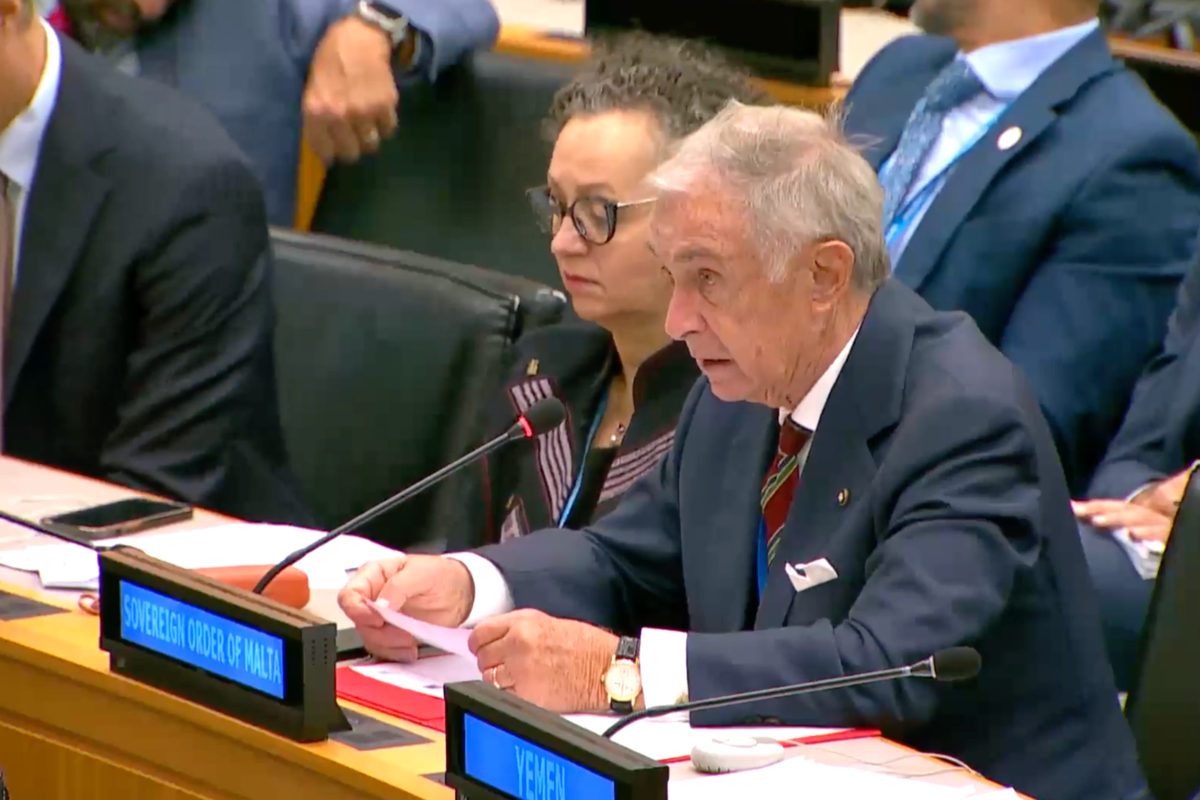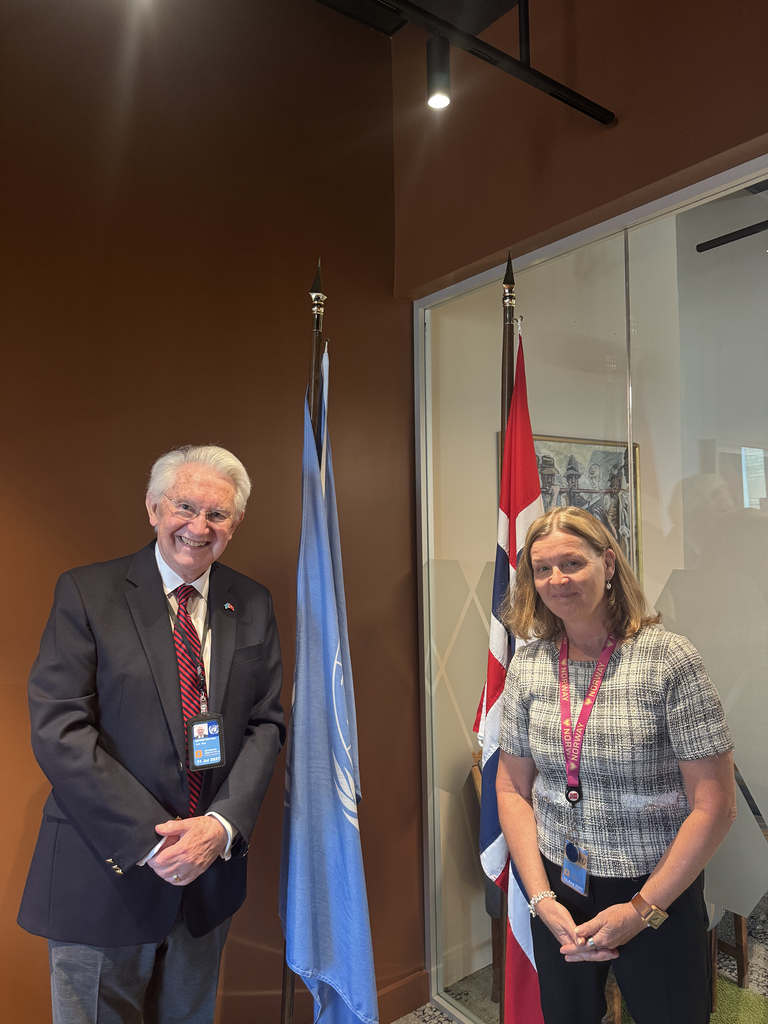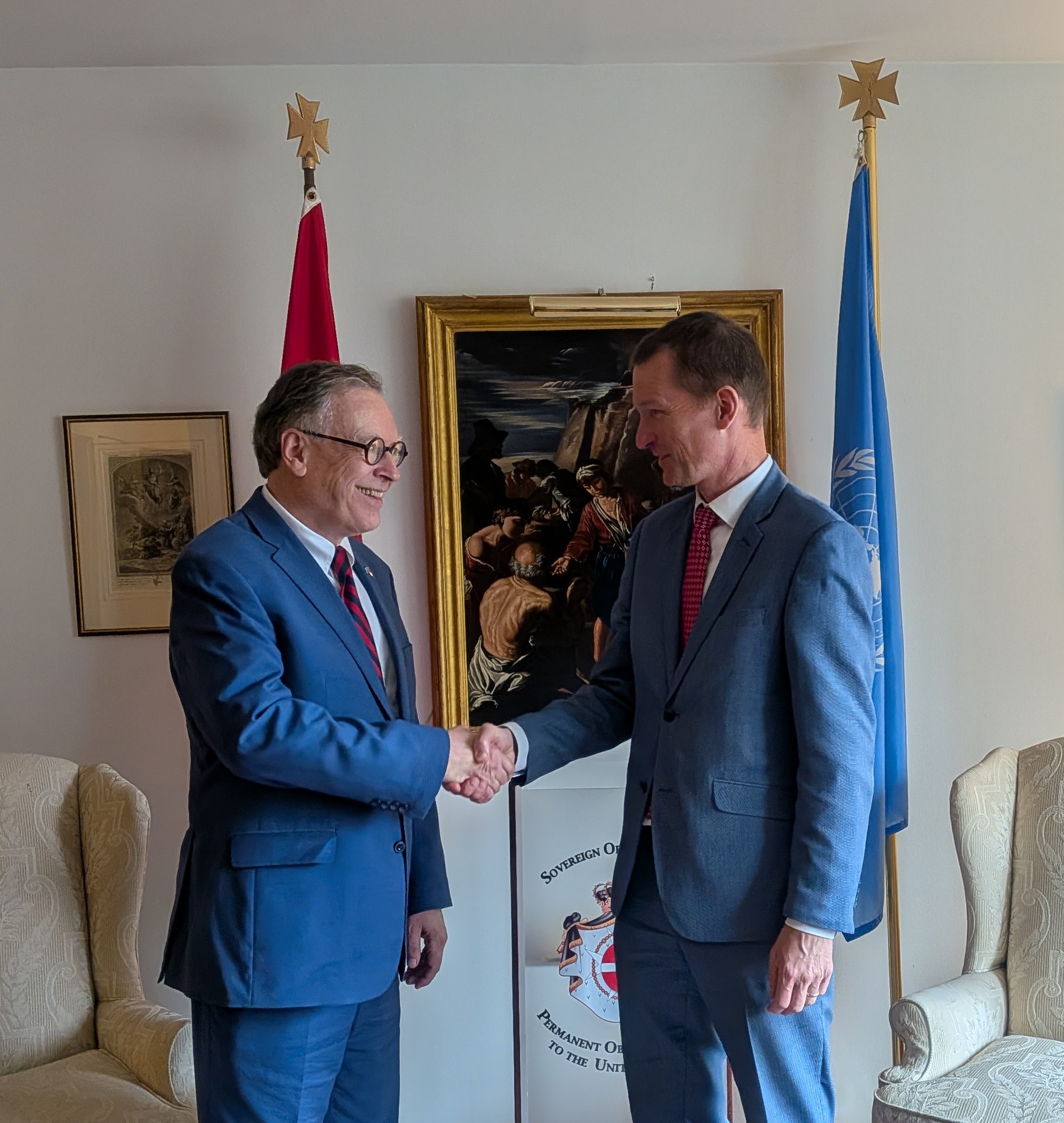
On October 31st, the Third Committee of the General Assembly convened a session on contemporary forms of slavery, featuring a statement by Mr. Tomoya Obokata, Special Rapporteur on contemporary forms of slavery, and an intervention from Mrs. Deborah O’Hara Ruskowski, Special Advisor on Human Trafficking to the Sovereign Order of Malta.
Mr. Obokata presented his final thematic report to the Committee, focusing on the critical role of financial sector actors in eradicating contemporary forms of slavery. Mr. Obokata emphasized that the financial sector holds significant leverage to influence business conduct and ensure alignment with international human rights standards. However, he warned that financial operations themselves can sometimes enable exploitative practices, as capital flows and investment portfolios may indirectly sustain forced labour and other forms of exploitation within global supply chains.
He urged States to adopt a “smart mix” of mandatory and voluntary measures to prevent such abuses, and called upon financial institutions to respect human rights in accordance with the UN Guiding Principles on Business and Human Rights. To be fully effective, he argued, legislation and guidance must explicitly cover downstream value chain activities, including lending and investment, constituting the sector’s core operations.
Highlighting encouraging practices, Mr. Obokata noted that several financial institutions are already implementing human rights due diligence policies, establishing grievance mechanisms, and collaborating with governments, civil society, and workers’ organisations. He pointed to innovative models such as social impact bonds and survivor-centred financial inclusion initiatives as promising tools to address both the manifestations and root causes of modern slavery.
Looking ahead to the centenary of the 1926 Slavery Convention, Mr. Obokata urged Member States to renew their commitment to ending contemporary forms of slavery and to provide support to the UN Voluntary Trust Fund for Contemporary Forms of Slavery. In closing, he expressed gratitude to the Committee for its engagement during his tenure and conveyed best wishes to his successor.
Speaking on behalf of the Sovereign Order of Malta, Mrs. Deborah O’Hara Ruskowski expressed grave concern over the persistence of human trafficking, describing it as a modern form of slavery that continues to prey on the most vulnerable. Despite the clear prohibition of slavery under Article 4 of the Universal Declaration of Human Rights, she recalled that an estimated 50 million people remain trapped in such conditions worldwide. This, she stressed, represents not only a profound moral failure but also a major threat to the rule of law, economies, and human dignity.
Special advisor, Ruskowski underscored that the rise in transnational crimes and the surge in modern slavery in the post-pandemic era are symptoms of deeper systemic issues, including poverty, conflict, forced displacement, and the effects of climate change, that disproportionately affect children, women, migrant workers, and ethnic minorities.
She further drew attention to the growing misuse of technology, including artificial intelligence and encrypted communication platforms, which has expanded traffickers’ reach while reducing the risk of detection. Recognizing this evolving landscape, she highlighted the Order’s multifaceted strategy based on prevention, protection, and partnership.
Since 2017, the Order of Malta has worked to combat human trafficking through a victim-centred approach. Recent collaborations with UNITAR have produced online training and high-level events for law enforcement and humanitarian workers, with a special focus on vulnerable populations such as migrant domestic workers, fishermen, and those displaced by climate disasters. On the ground, the Order continues to provide direct assistance, including maritime rescue operations through its Italian Relief Corps (CISOM) in the Mediterranean and humanitarian protection in Colombia through Malteser International.
Citing Pope Francis, Mrs. Ruskowski described human trafficking as a “moral scourge” that demands global solidarity and concrete action to achieve Sustainable Development Goal 8.7, which calls for the eradication of forced labour, modern slavery, and human trafficking. She concluded by urging stronger collaboration between governments, the technology sector, and humanitarian organisations to disrupt online trafficking networks and enhance protection for victims.
The discussion reaffirmed that eradicating contemporary forms of slavery requires the joint efforts of States, financial institutions, and civil society. The Sovereign Order of Malta remains steadfast in its commitment to defending human dignity and advancing freedom for all, in alignment with its humanitarian mission and centuries-old values of service and solidarity.