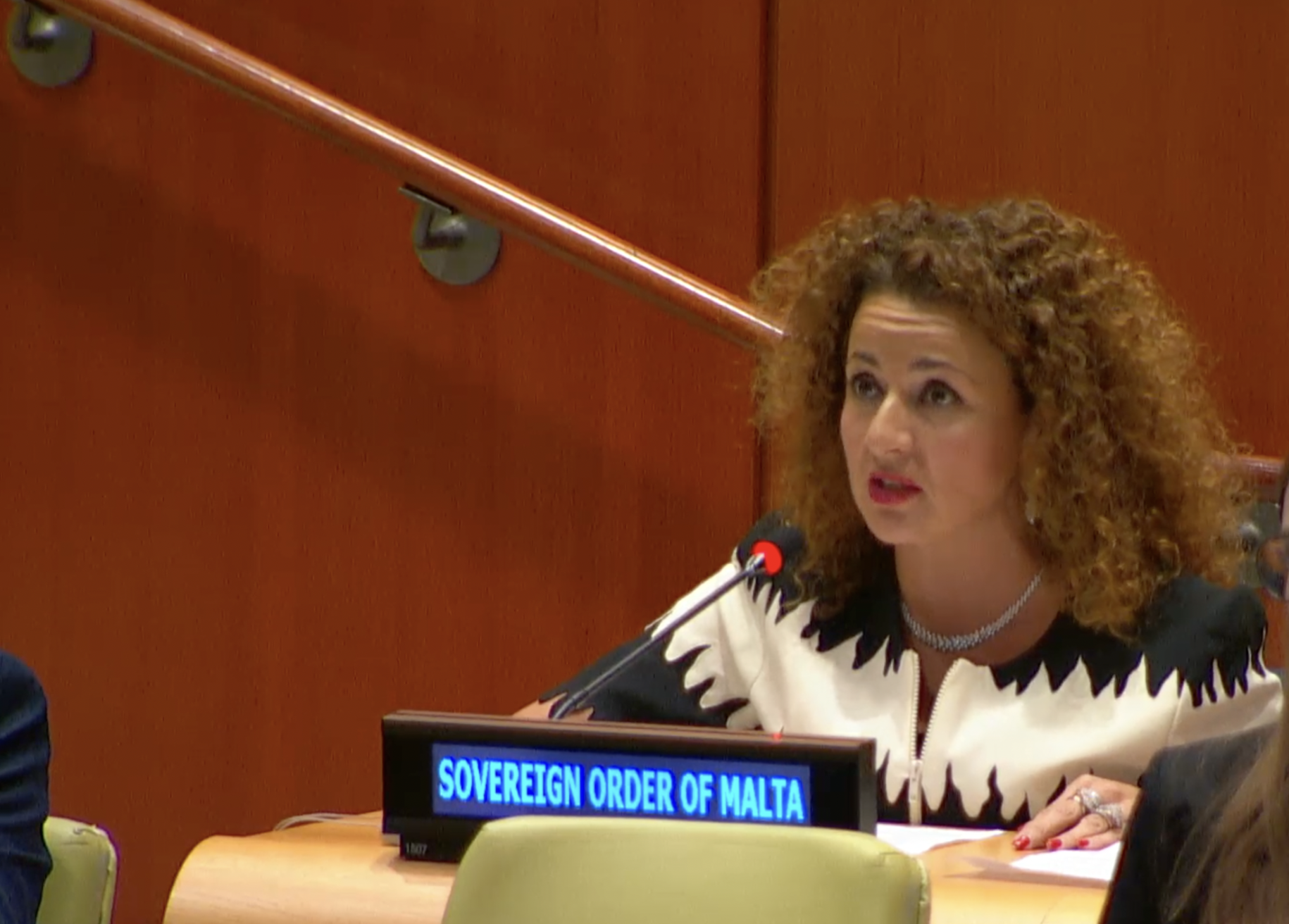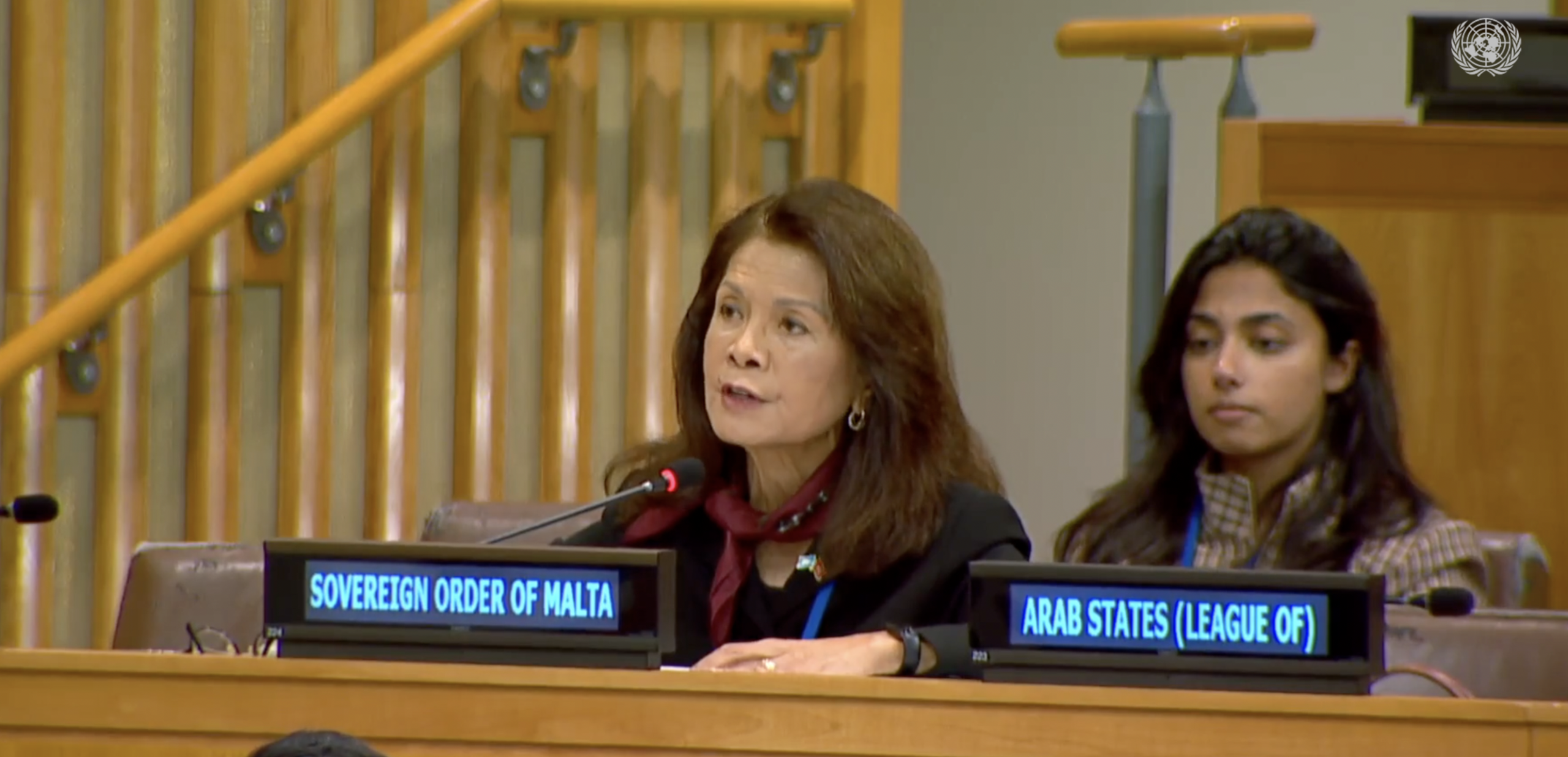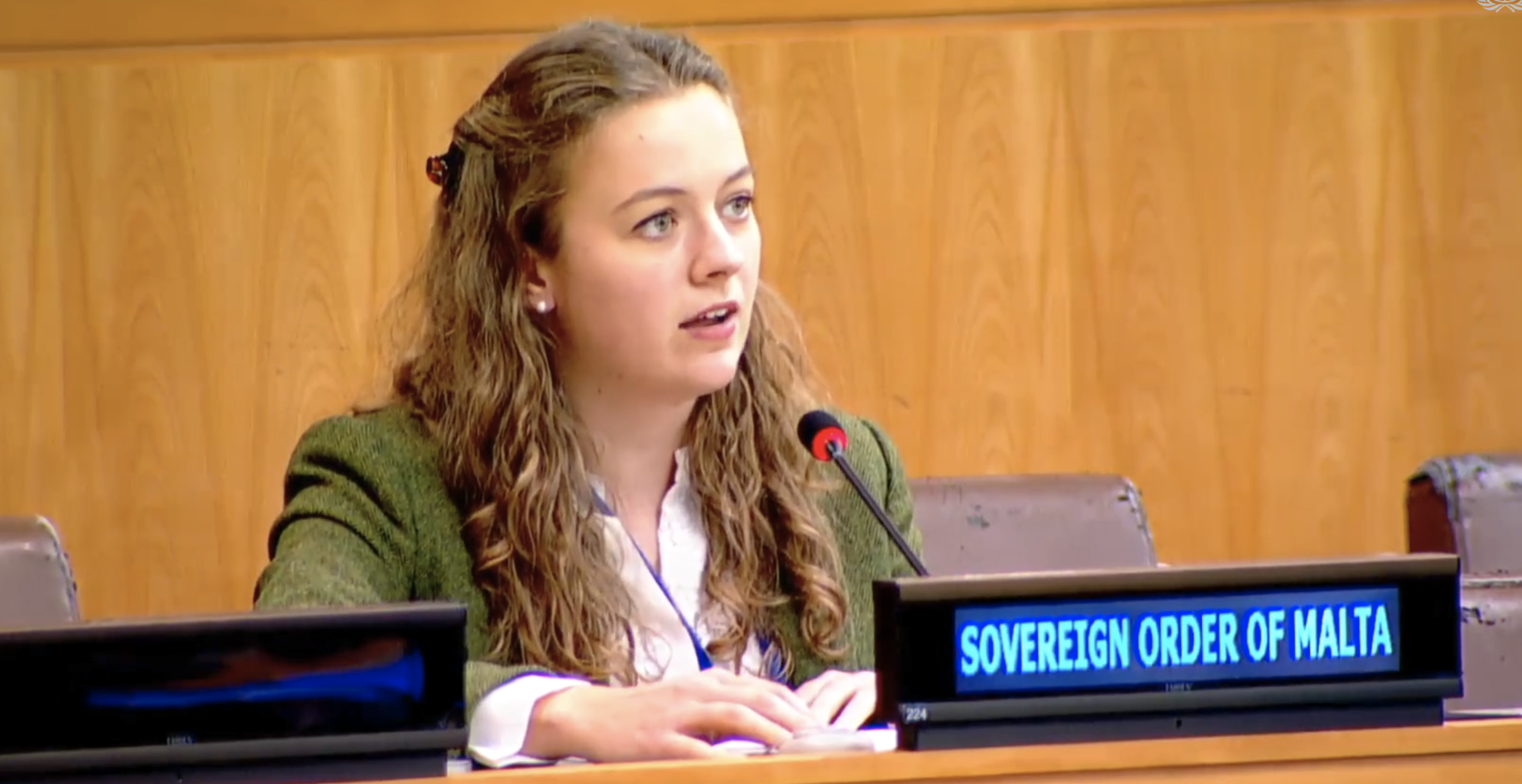
On 20 October 2026, Dr. Michael Espiritu, Counsellor, addressed the Third Committee of the 81st session of the United Nations General Assembly on contemporary forms of slavery and trafficking in persons, following a briefing by Mrs. Katarina Schwarz.
In his statement, Dr. Espiritu emphasised that, despite the extensive international framework established to prevent exploitation, protect victims and bring perpetrators to justice, contemporary slavery and trafficking remain persistent challenges. He called on the international community not only to renew its commitments, but also to examine why so many vulnerable people continue to remain beyond their reach.
Dr. Espiritu highlighted how exploitation often thrives in circumstances where individuals are least visible, including situations of conflict and displacement, institutional fragility, poverty and marginalisation. Those affected may face geographical isolation, limited access to education and information, fear of reprisals or a lack of trust in institutions, all of which can prevent them from recognising exploitation, reporting abuse or seeking assistance.
The Sovereign Order of Malta stressed that identifying those who remain unseen is an essential first step towards ensuring their protection. Victims must be able to access justice, healthcare, psychosocial support, legal assistance and pathways to recovery and reintegration. Without appropriate support, survivors may struggle to rebuild their lives with dignity.
Drawing on its humanitarian experience, the Order underlined that the responsibility to identify and protect victims cannot rest with a single institution or sector. Healthcare workers, humanitarian personnel, civil society organisations, community leaders and public authorities can each play a decisive role in recognising vulnerability, raising concerns and referring individuals to appropriate services. Education, awareness-raising, access to healthcare and social services, and trusted local networks are equally important in preventing exploitation before it becomes further entrenched.
Concluding his statement, Dr. Espiritu called for strengthened efforts to identify those most at risk, ensure meaningful protection for victims, and deepen partnerships that extend beyond formal systems into local communities. He emphasised that the success of international commitments should be measured not only by the instruments adopted, but by whether they reach the people who remain hidden from view.
For the Sovereign Order of Malta, combating contemporary slavery and trafficking in persons is ultimately an affirmation of the dignity of every human person, ensuring that those who have been forgotten are made visible and that no one is left beyond the reach of collective protection.