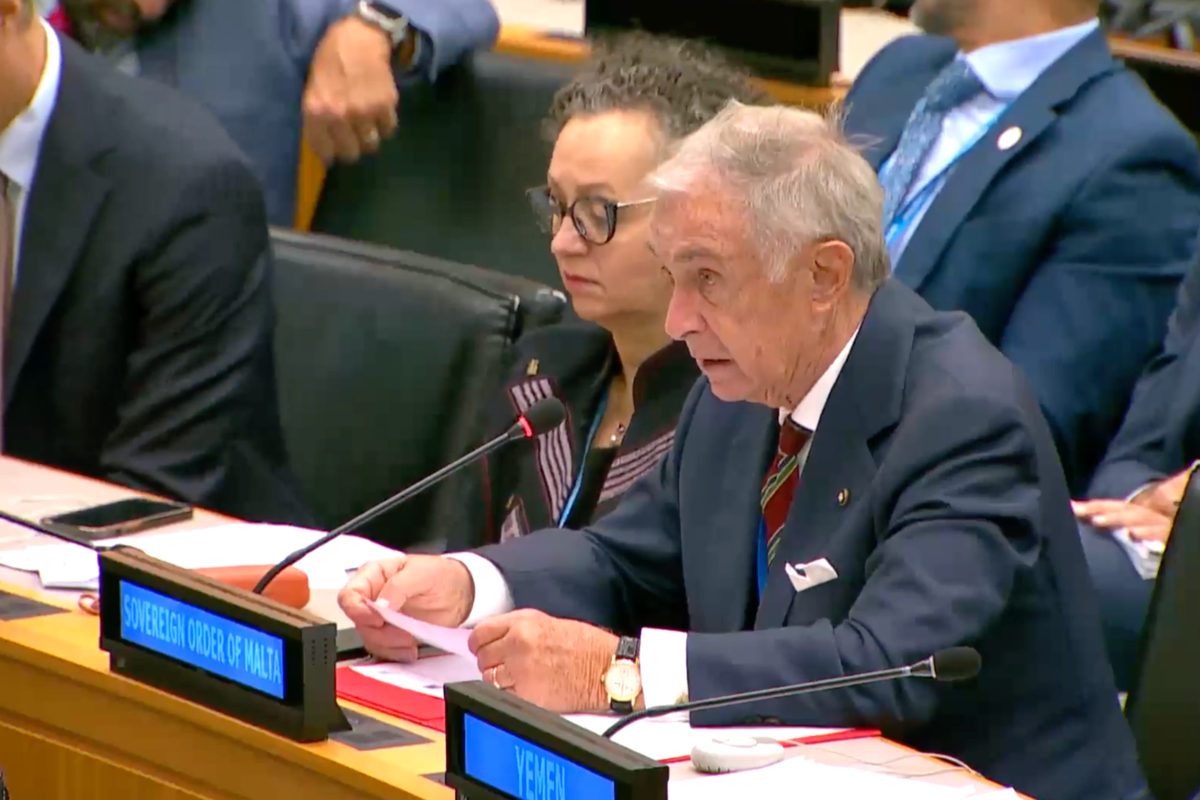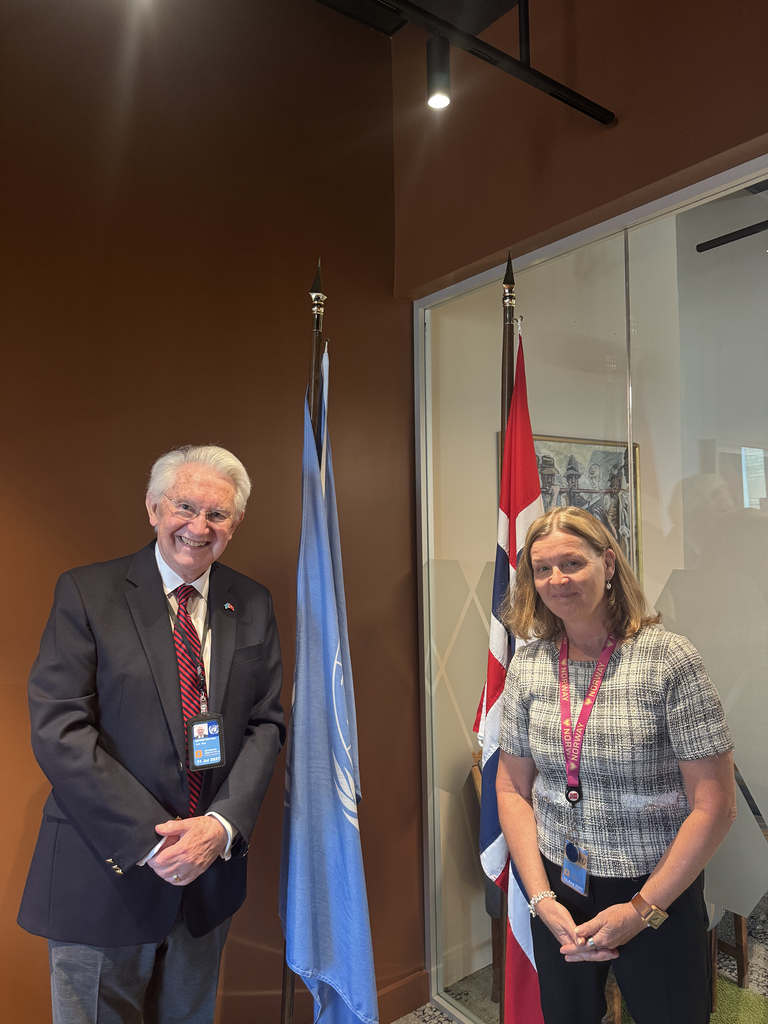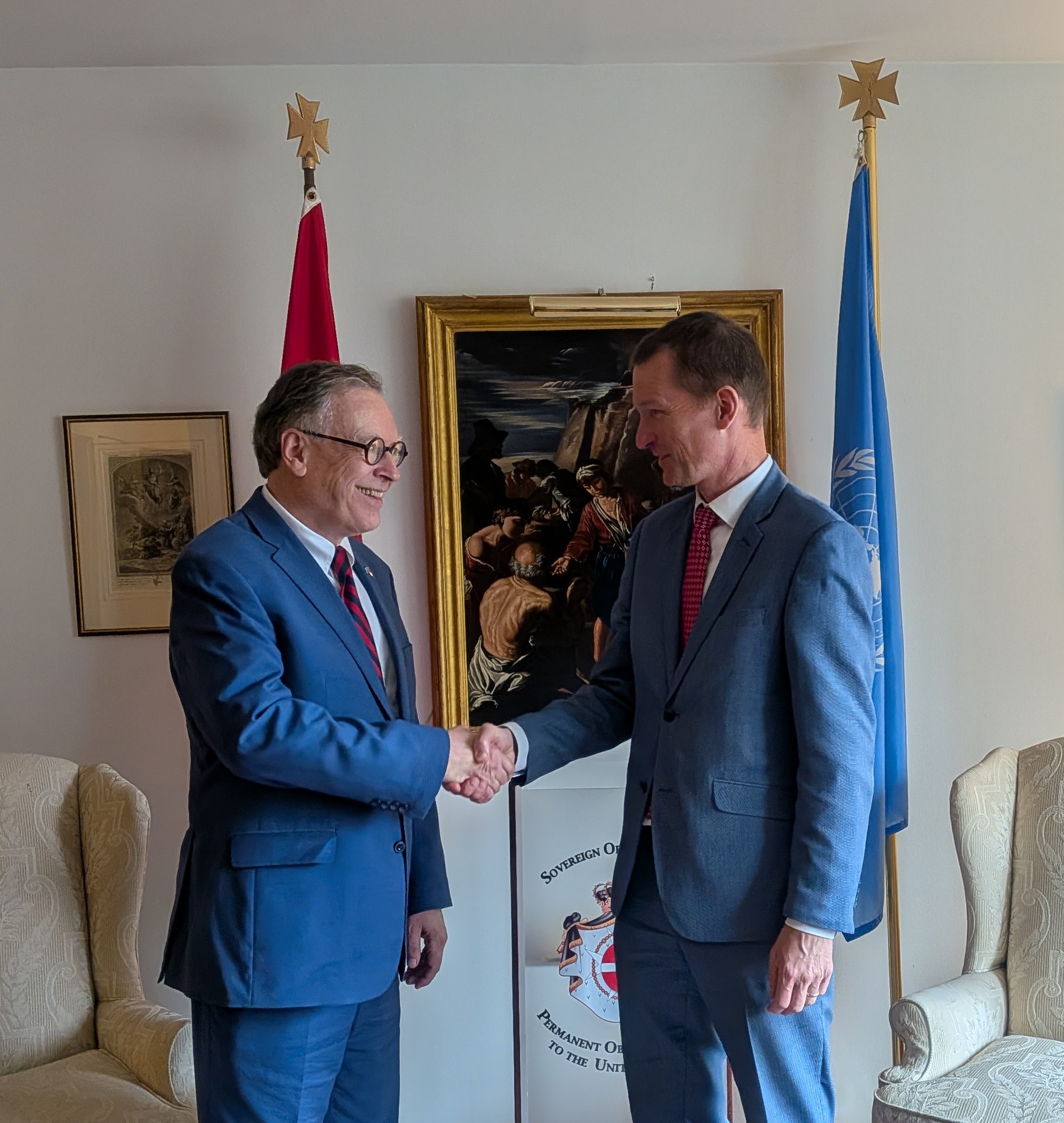
On 22 October, at the United Nations Third Committee, Irene Khan, Special Rapporteur on the promotion and protection of the right to freedom of opinion and expression, delivered her final address after more than five years in her mandate. She warned of a profound shift in the governance of social media, where powerful political and corporate interests are resetting the rules of freedom online. Khan described how billions now depend on digital platforms owned by a few major companies, whose decisions on moderation and algorithmic design have direct consequences for human rights. She cautioned that, in their race to dominate new technologies, these companies have overlooked the harm caused by their engagement-driven business models and the limitations of automated content moderation.
Khan expressed concern that many governments are using their influence not to hold companies accountable but to silence criticism, reflecting a wider pattern of democratic decline. She criticized the stance of the certain countries for undermining international human rights norms by dismissing restrictions on hate speech as censorship. This, she warned, has emboldened both authoritarian governments and global tech corporations. She also lamented the fragmented international approach to digital regulation, urging states—particularly within the European Union—to remain firm in holding platforms accountable and to resist the commodification of freedom of expression.
Following Khan’s statement, Theresa Bulfon, Diplomatic Trainee speaking on behalf of the Sovereign Order of Malta, responded with a reflection on the enduring importance of free speech in the digital era. She affirmed that freedom of expression is the bedrock of democracy and a right enshrined in Article 19 of the Universal Declaration of Human Rights. Yet, she noted, it remains under threat, with more than 100 journalists killed in 2024 and dozens more this year, highlighting the dangers faced by those who defend truth.
Theresa emphasized the need to balance freedom with responsibility, asking how societies can protect citizens from hate speech without silencing dissent. Quoting the Office of the High Commissioner for Human Rights, she reminded delegates that addressing hate speech is not censorship but a safeguard against discrimination and violence. She stressed that freedom of expression must be exercised with humility and respect, echoing Pope Francis’ call to reject its misuse as an excuse to despise others.